Power Distribution
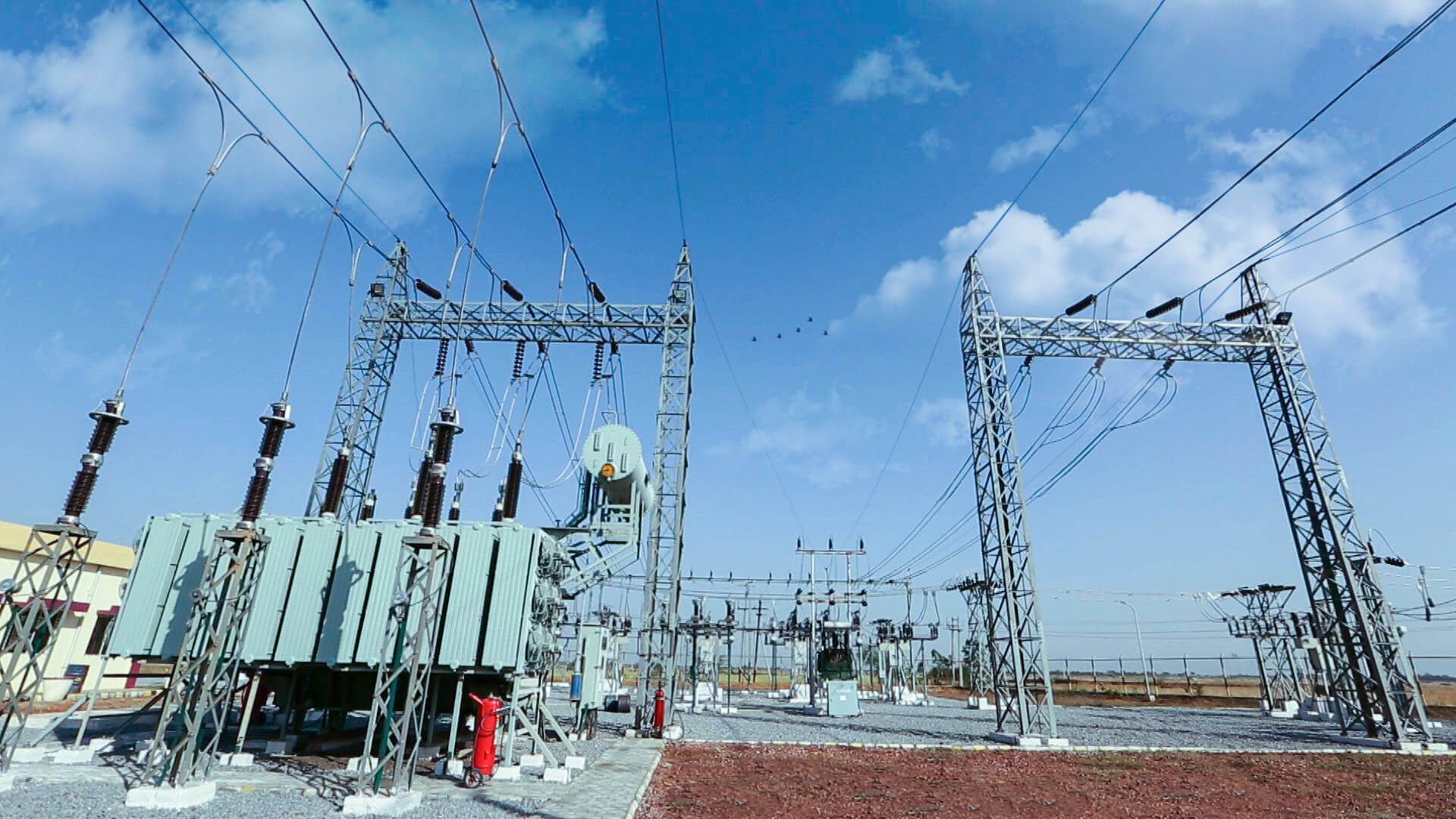
Once electricity reaches the local substations, the distribution system takes over, reducing the voltage further and ensuring that it reaches consumers in usable forms.
Key Aspects:
- Distribution Lines: These are lower-voltage lines (typically between 4 kV and 35 kV) that deliver electricity to neighborhoods, homes, and businesses.
- Transformers: Transformers are used to step down the voltage to a level that is safe for residential or industrial use. For example, household electricity is typically delivered at 120V (in North America) or 230V (in many other parts of the world).
- Meters: At the point of delivery, electricity meters are used to monitor the amount of electricity consumed by a home or business for billing purposes.
- Circuit Breakers & Fuses: These safety devices protect the distribution network and end-users from electrical faults by disconnecting the power supply in case of issues like overloads or short circuits.
Description
Challenges in Power Transmission & Distribution
- Transmission Losses: Despite the high voltage, some energy is still lost during transmission due to resistance in the wires. This is why power plants are typically located close to major consumption areas.
- Grid Reliability: Maintaining a stable and reliable grid can be challenging, especially with the increasing integration of renewable energy sources like solar and wind, which are intermittent.
- Infrastructure Maintenance: Aging infrastructure in many parts of the world requires ongoing maintenance and modernization to prevent failures.
- Environmental Impact: Transmission lines, especially those that run over long distances, can have environmental impacts, including effects on wildlife and the landscape.
Emerging Trends
- Smart Grids: Incorporating digital technologies to monitor, control, and optimize the flow of electricity. Smart grids help manage energy demand, improve reliability, and integrate renewable energy sources.
- Decentralized Power Generation: Increasing reliance on renewable energy sources (like solar panels on homes or wind turbines) that reduce the need for long-distance transmission.
- Energy Storage: Battery storage solutions are being integrated into power grids to store excess energy generated during periods of high supply (like sunny or windy days) and release it when demand is high or renewable generation is low.
Reviews (0)
Shipping & Delivery
Related products
HT (High Tension) & LT (Low Tension) Switchgear
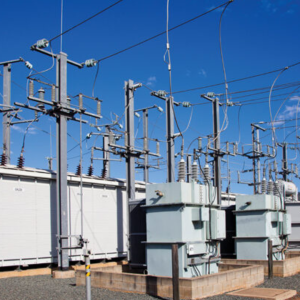
Switchgear refers to the electrical devices used to control, protect, and isolate electrical equipment. They can be broadly divided into High Tension (HT) and Low Tension (LT) switchgear, depending on the voltage levels they are designed for.
HT (High Tension) Switchgear
- Voltage Range: Typically 11 kV and above (up to 400 kV and even higher).
- Functions: HT switchgear is designed to handle the switching and protection of high-voltage circuits in substations and industrial installations.
- Circuit Breakers: Used to automatically or manually open or close a circuit to prevent damage from overcurrent or short circuits.
- Isolators: Used for isolating sections of the circuit for maintenance.
- Busbars: These are conductors used to distribute power between different circuits in a substation.
- Relays: Protect the circuit by detecting abnormal conditions and triggering the circuit breaker.
Power Factor Improvement (PFI) Plant
Power Factor Improvement is crucial for improving the efficiency of an electrical system. Power factor (PF) is the ratio of real power (used to do work) to apparent power (total power supplied). A low power factor means that the electrical system is not using the supplied power efficiently, which can lead to higher losses and increased electricity costs.
PFI Plant Components:
- Capacitor Banks: These are the most common method for improving power factor. Capacitors help to supply reactive power, reducing the demand from the grid and increasing the overall power factor of the system.
- Automatic Power Factor Controllers: These devices detect the power factor of the system and automatically connect or disconnect capacitor banks to maintain a target power factor.
- Synchronous Condensers: Large electric machines that can generate reactive power to improve power factor.
Power Transmission
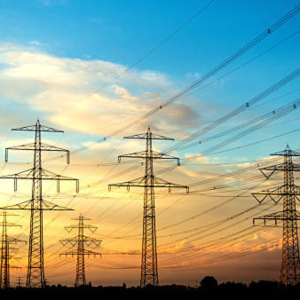
Transmission refers to the high-voltage transfer of electricity from power plants to substations closer to the end-users. The primary goal is to transport electricity over long distances with minimal losses.
Key Aspects:
- Transmission Lines: These are high-voltage cables that carry electricity over long distances. They are often elevated on tall towers to minimize the risk of interference and loss.
- Voltage Levels: Electricity is transmitted at high voltages (typically 110 kV to 765 kV) to reduce the energy lost as heat due to the resistance of the wires.
- Substations: Substations are located along the transmission route to step up or step down voltage levels. The electrical energy is stepped up to a higher voltage for long-distance travel, and then stepped down before it is distributed to local areas.
Reviews
There are no reviews yet.